
The word “real” is used a lot in advertising right now. It is the word companies reach for when they want a campaign to feel human, to feel authentic. But many organizations view real as a tone they can write in their brief and call it a day. In a world where creative is starting to feel like a sea of sameness, and with everyone racing to make content faster, real has never held more of a premium than now.
At Snow Companies, real starts at the very first conversation. It is built into our ethos.
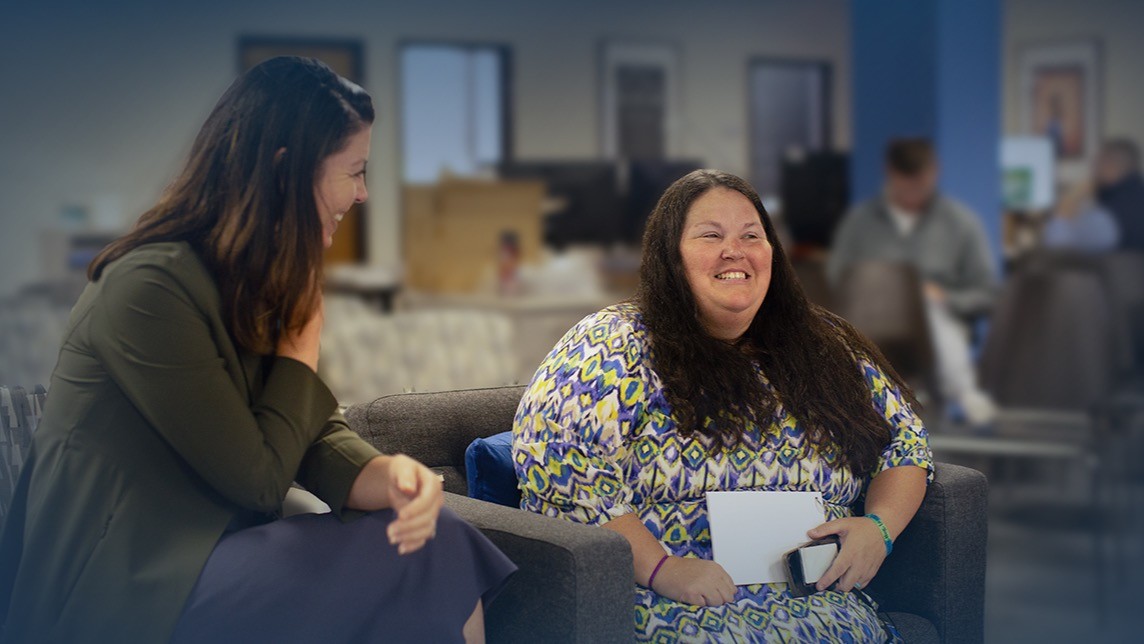
Before someone becomes an Ambassador, they are a person telling us what happened to them. The diagnosis. The fear. The small daily negotiations nobody sees. Our job in that first call is to listen and hear them out as a real person sharing a story that matters. That same instinct carries through our co-creation process, through scripting and production, all the way to the moment that story reaches the other patients who need to hear it most.
We have had 25 years to build that instinct into a discipline, sharing thousands of real stories across nearly 200 disease states. The Patient Ambassador® program exists so that patients and caregivers can share their lived experience and feel supported every step of the way, while giving our clients real, authentic content that connects their brand to the communities they are trying to reach. That standard runs through every touchpoint we have with our Ambassadors, from the first story told after a diagnosis to the patient support program they lean on once they start treatment.
Our team approaches each patient and caregiver as a person first, someone who happens to be navigating something hard. That shapes how we show up on a first call, how carefully we protect someone’s story through compliance reviews, and how we cultivate a community with deep admiration, respect, and long-standing support. It is how we operate. We do not compromise on realness, even when faster or cheaper options exist, because real solutions are the ones that earn trust.
That instinct also shaped our recent work with Novo Nordisk and TED, the first TED Talk a pharmaceutical company has co-created using a poetic performance format. Patient Ambassador, Maija Williams, wrote and delivered her own words. Her poetry slam narrative on bias and inequity in healthcare has since been picked up by patient communities, medical schools, and health equity programs, sparking exactly the conversations it was meant to. Snow and Novo Nordisk approached the project as collaborators instead of sponsors, because the shared goal was to create empathy.
So, when we say we believe in real, authentic patient engagement, we mean the content was built that way, person by person, story by story, for 25 years.
For DTC marketers, this matters beyond the philosophy of “real” content. Patients and caregivers notice the difference between a story that was found and one that was manufactured, even when they cannot name why. That difference shows up in the numbers marketers are answering for — engagement, trust, and whether someone calls their doctor because of what they saw. Synthetic content keeps getting easier to produce and easier to spot. Brands investing in real relationships now will have something real to stand behind once the communities they are trying to reach start asking harder questions about what they are watching.